
Endometriosis Took My Fertility, But Not My Motherhood
After three pregnancy losses, years of severe endometriosis, and a hysterectomy before age 29, I am childless not by choice. My arms are empty, but I carry my babies with me every day.

After three pregnancy losses, years of severe endometriosis, and a hysterectomy before age 29, I am childless not by choice. My arms are empty, but I carry my babies with me every day.

A large number of women experience anxiety after miscarriage. This anxiety can be especially hard to manage during a pregnancy after a loss. Here, one therapist shares her best-kept tips for how to cope with your loss.

Experiencing spotting or bleeding during early pregnancy can be frightening, but it doesn’t always signal a miscarriage. However, it’s important to be aware of the potential signs.
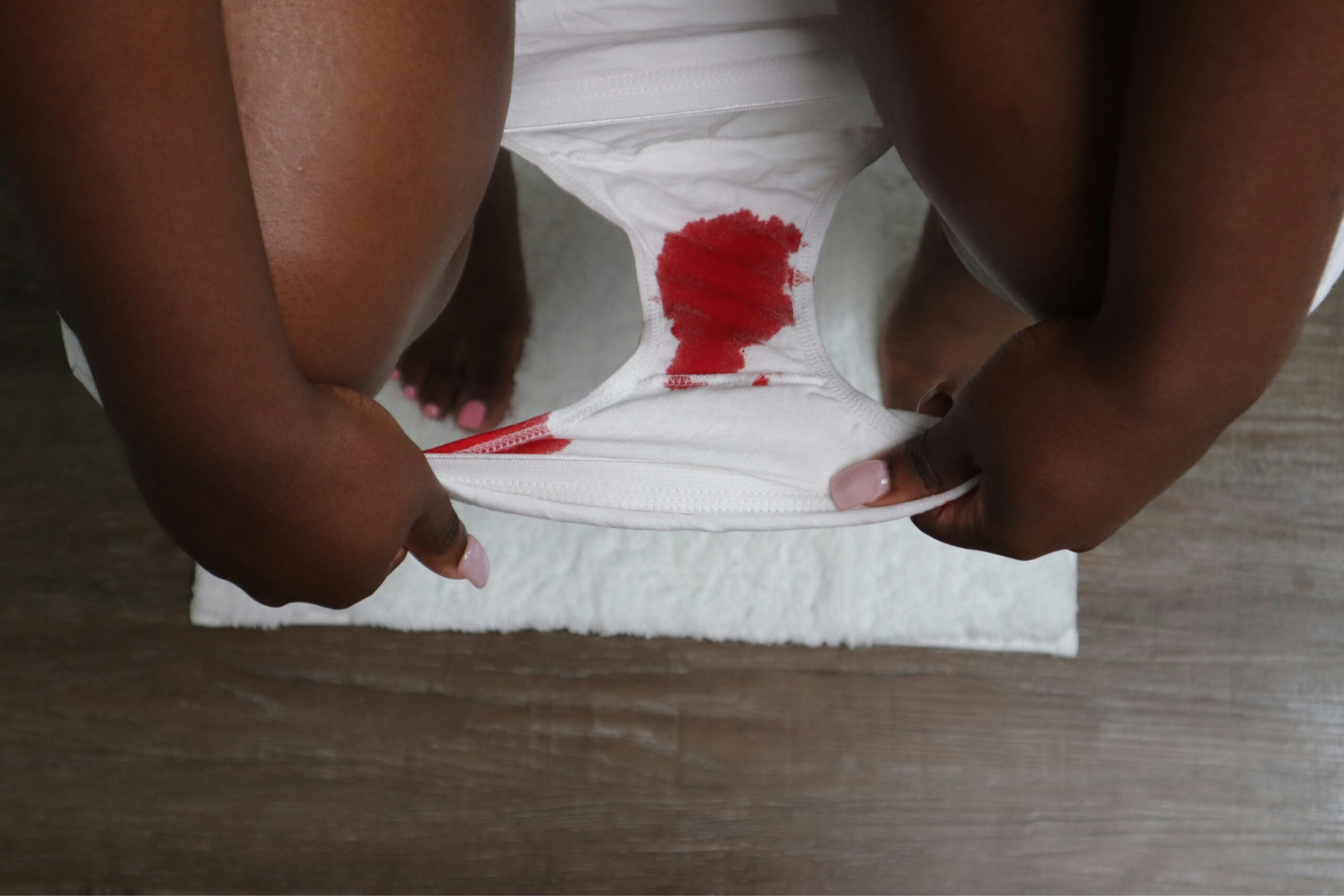
Post-miscarriage bleeding is scary and uncomfortable. Here’s what to know, from how long it can last to when to see a doctor.

Miscarriage recovery kits can offer comfort and support during a difficult time and help you heal physically and emotionally.
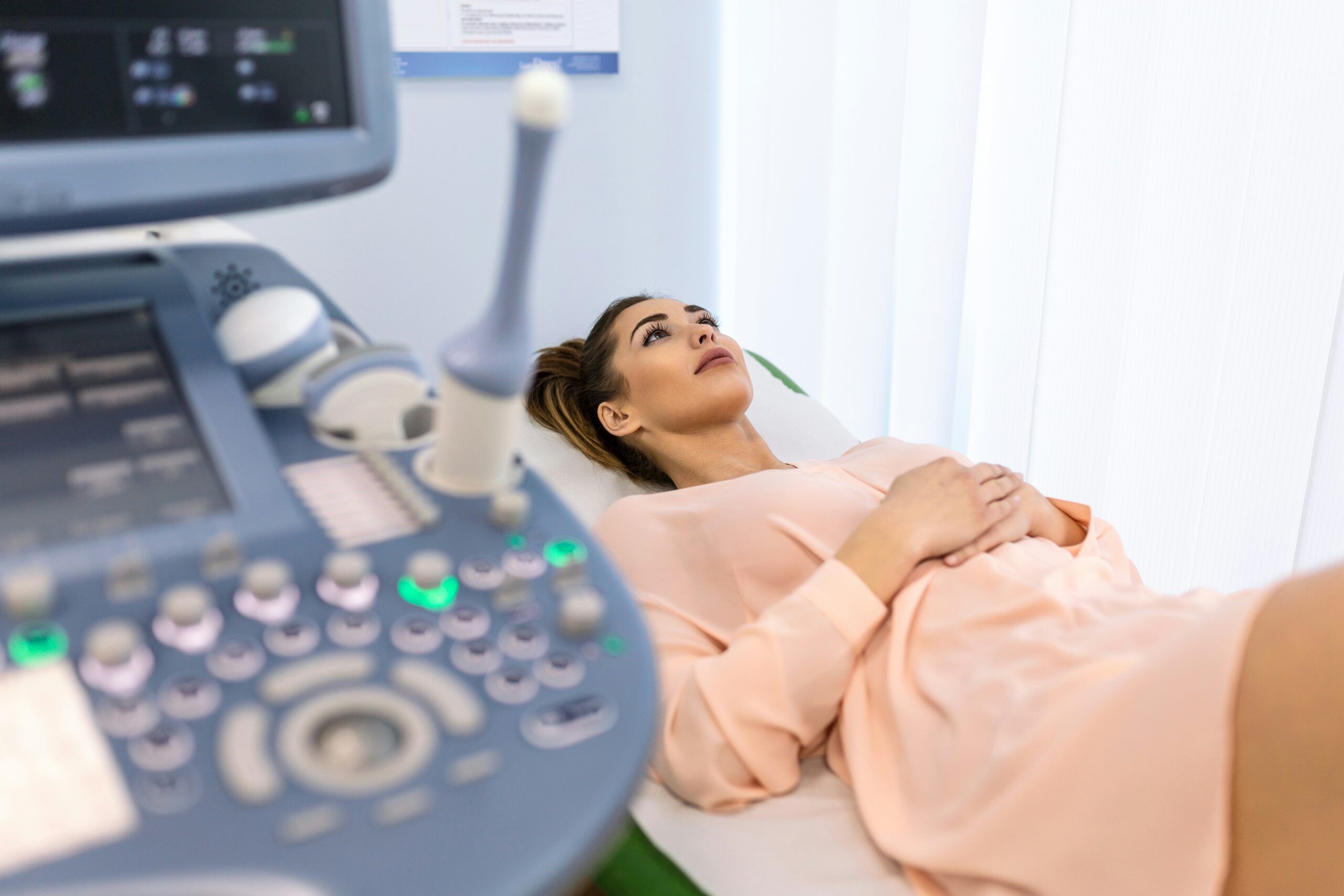
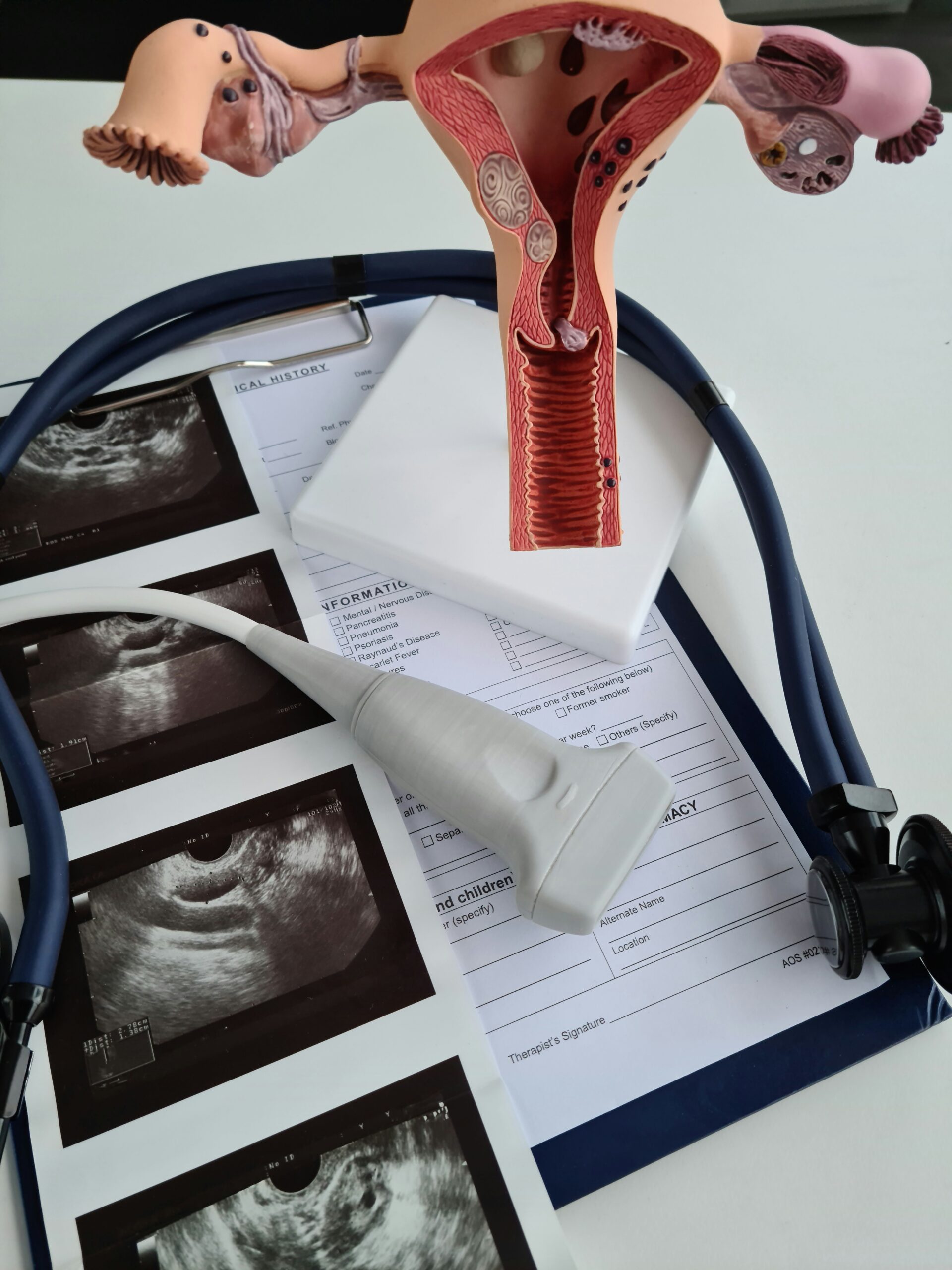
If you’ve been asked to come back in 10 days for an ultrasound to reassess measurements and see if the heartbeat appears, this guide can help.
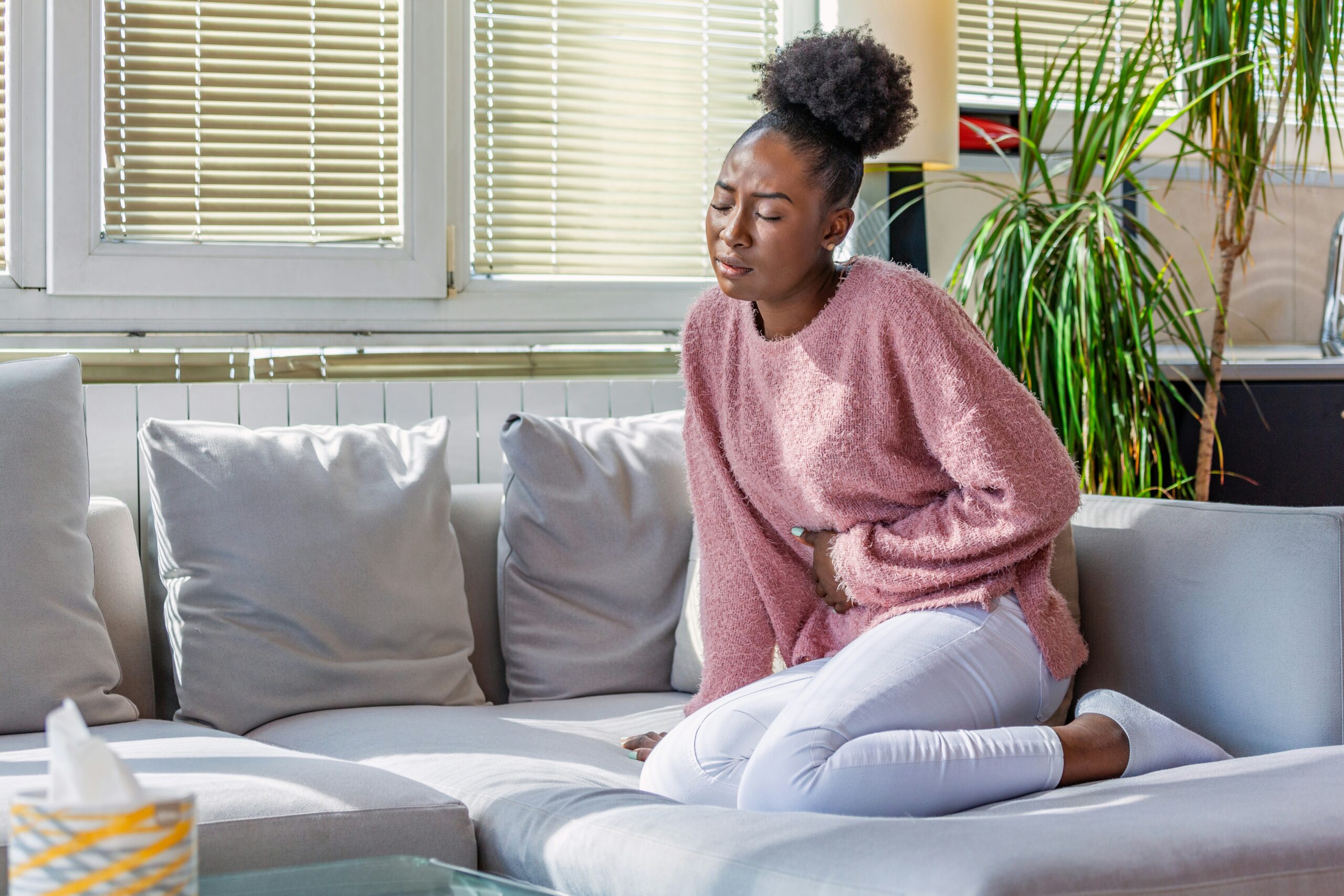
Here’s how to navigate the emotional rollercoaster of dealing with secondary infertility and how to find hope again.
From understanding the different types to knowing when to seek medical help, this comprehensive resource provides valuable insights for those navigating the difficult journey of pregnancy loss.

Each person’s journey through miscarriage is unique, so you must find the way of honoring your baby that feels most right for you.

Couples often struggle with communication after experiencing a miscarriage. This is especially common if partners have different coping styles and needs. Trying to understand one another’s perspectives and using healthy communication skills, like “I” statements, can help foster more open communication.