Understanding Chemical Pregnancy and Early Loss
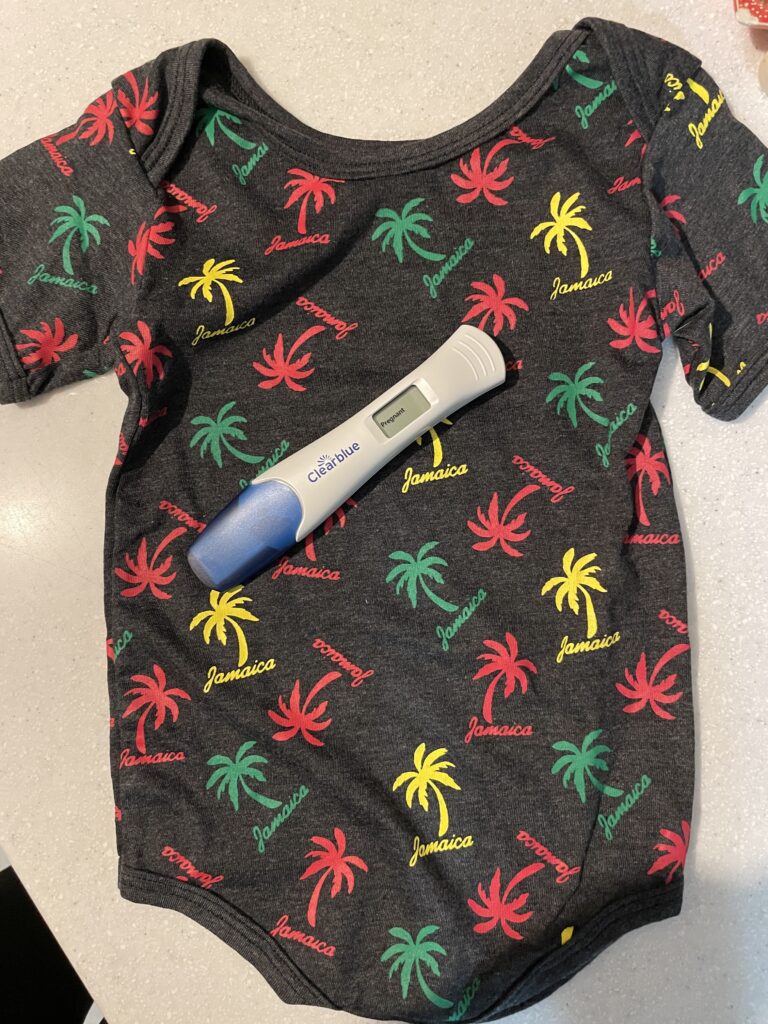
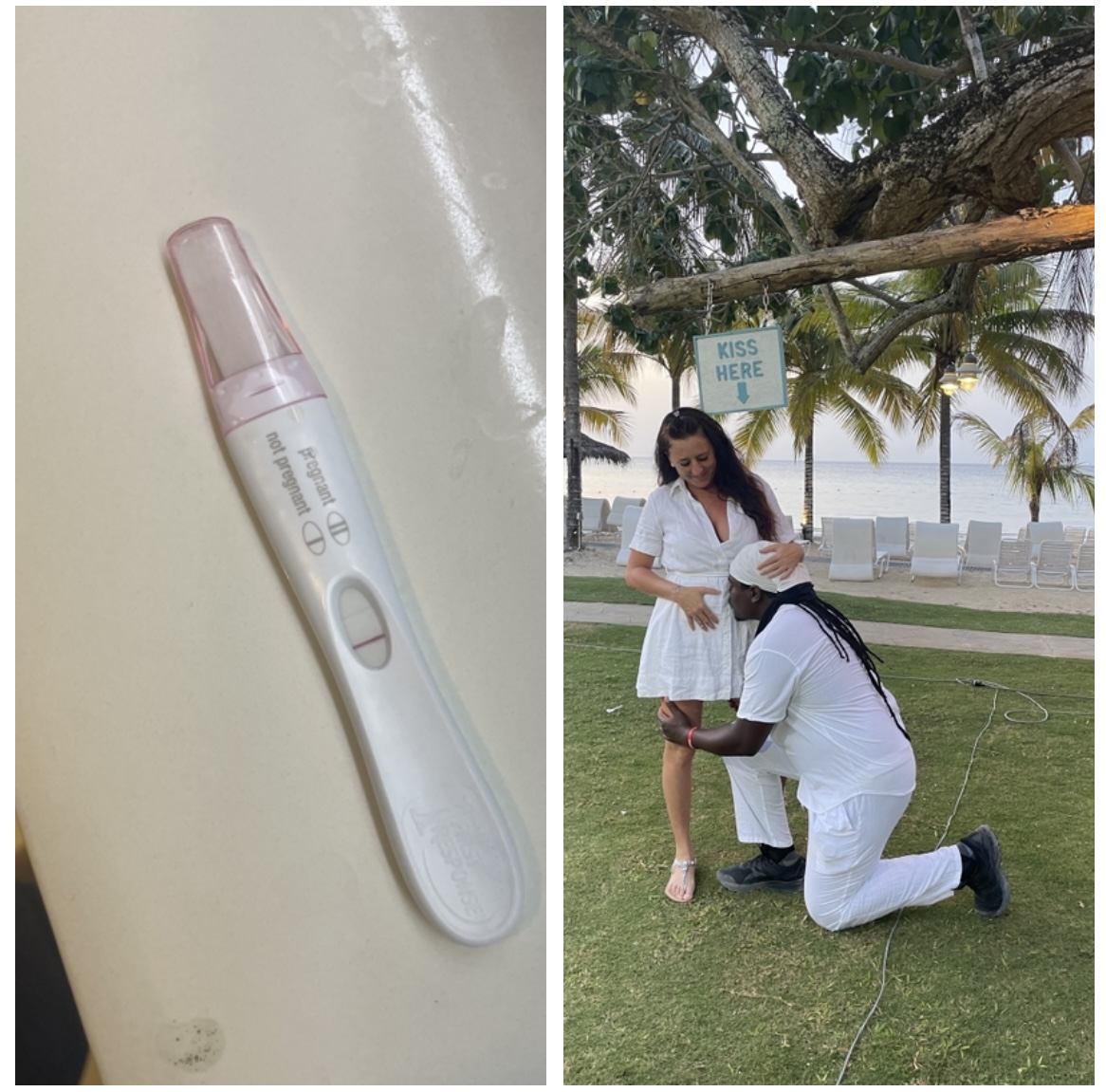
We did one hormonal blood test the next month, and then tried again two months later, and got pregnant again. I was relieved at how easy it was for us in spite of our chemical pregnancy the first time around. We were vacationing in Jamaica at the time and took some sweet pictures of my husband kissing my stomach. While I wanted to believe that everything would be fine this time, I was not convinced it would stick. Sure enough, as soon as we got back from our trip, I started bleeding and I knew we had lost it again.
When Trying to Control Fertility Takes Over Your Life
This time instead of shock and sadness, I went into full-on “I need answers now” mode, and I spiraled into extreme anxiety, obsession, and a desperate search for answers—changing my lifestyle, seeing every type of doctor, tracking obsessively, taking supplements, trying countless protocols, reading, researching, following fertility people, and joining too many Facebook groups. Fertility had quickly and literally taken over our lives, and was putting a serious strain on my relationship with my then boyfriend, who turned fiancé and later became my husband. I was living in a total trauma response (but obviously couldn’t see it at the time), and my coping mechanism was to try to control every little thing, including everything we put in our bodies, and my husband was like “wtf.”
The Emotional Reality of Recurrent Pregnancy Loss
Sadly, the third time was not the charm for us. By this time I felt like I knew everything there was to know about pregnancy loss, why people have them and what to do about it. We started trying again and I found out I was pregnant on Christmas Eve. I didn’t bleed this time, so I took that as a positive sign. In the midst of all of this we were planning our wedding so I spent hour after hour googling maternity wedding dresses, because I was going to be 6 months pregnant at our wedding!
Finally it was time to go to hear the heartbeat, but instead we were met with “the baby is measuring a little smaller than it should and no heartbeat yet.” We were told to come back in a week—what turned out to be the longest and most miserable week ever.
Finally it was time to go back in for a second ultrasound. It was cold, quiet and my anxiety was all over the place. Then I heard the words we dreaded: “the baby is measuring two weeks behind, and there’s no heartbeat.”
Because I was on progesterone, I had to wait another week—knowing my baby had died, but still carrying it—before my body could release everything naturally at home. We decided to test the products of conception, hoping it might give us some kind of answer—something to hold onto in the middle of so many unknowns. That meant trying to collect the tissue myself. After an extremely painful night of cramping and bleeding, I assumed I had already passed it. I told myself I must have missed it, and began to accept that we might never know whether it had been chromosomally normal or not. But three days later, it happened. I went to the bathroom and recognized what I was seeing. In that moment, instinct took over. I reached in and retrieved it.
We sent it in for testing. Eventually, we got an answer: it was chromosomally abnormal. It would not have developed into a viable pregnancy. That knowledge brought some clarity—but not relief. After three losses in one year, I was not okay. What had started as anxiety had quietly shifted into something heavier.
And still, I had a wedding to plan. Around that same time, I found out that two of my closest friends would be pregnant at our wedding. The contrast felt almost impossible to hold. On the day itself, it didn’t let up. One of the caterers congratulated me—asking if I was pregnant—because of how my body looked in a silk robe. It was horrible. I couldn’t escape it. Not even on my wedding day. Not for a single moment.
But I kept talking about it. During that time, I was incredibly open about our losses. We even included photos—pregnancy tests, moments from those pregnancies—on our ancestor table at our wedding. I talked about it constantly, because not talking about it felt impossible. And still, I felt completely underwhelmed by the response, by the support.
We had three pregnancy losses in one year, and when I look back, all I can really remember is one friend sending flowers. No real check-ins, no consistency, just flowers from one person. Looking back now, I can see that I was in my own version of hell—a full trauma response—and I wasn’t myself. I was easily triggered and raw. But instead of recognizing that for what it was, it often felt like people used my reactions as a reason to keep their distance—like my grief made them uncomfortable and my pain was somehow my fault.
IVF After Multiple Miscarriages: What Comes Next
That fall, after our wedding, I had a moment of clarity. I realized I wasn’t okay and that I seriously needed to take care of myself. So I started small. I planted a garden, I made my mental health my priority in a way I never had before, and slowly, over time, I found moments of balance again—glimpses of joy I wasn’t sure I’d ever feel again.