At-Home Fertility Tests That Are Actually Worth Your Time—And What They Can (and Can’t) Tell You

Looking into at-home fertility tests? Here’s what they actually measure, what they miss, and the best options worth considering.

There’s a very specific kind of Google search that tends to happen in the quiet moments—late at night, early in the morning, or right after another cycle ends and you’re left with more questions than answers.

It usually starts broad: Why isn’t this happening? And then, almost without realizing it, it narrows into something more immediate: Is there anything I can check myself?

That’s often where at-home fertility tests enter the picture.

They feel like a natural starting point—something tangible, a way to move from guessing to knowing (at least a little), a number tied to your hormone levels, a chart and a result that makes you feel like you’re not just sitting in the uncertainty, waiting.

To be clear, these tests can be helpful. They can offer insight into things like ovarian reserve, ovulation patterns, and hormone levels—all things that matter when you’re trying to understand your fertility.

But here’s the part that’s easy to miss when you’re in it: at-home fertility tests don’t tell the whole story.

They can’t measure egg quality, they can’t predict your ability to get pregnant, they can’t explain why a loss happened (or if it will happen again) and, if you’ve experienced miscarriage or are navigating fertility concerns, those gaps can feel especially significant.

That doesn’t mean they’re not worth exploring—it just means they need to be understood for what they are: a piece of information, not a definitive answer.

Ahead, the at-home fertility tests that may actually be worth your time, what they measure (and what they don’t), and how to think about using them in a way that feels informed—not overwhelming.

JUMP AHEAD 

  • What at-home fertility tests measure
  • What they can’t tell you
  • Are at-home fertility tests worth it?
  • The best at-home fertility tests
  • When to see a fertility specialist

What At-Home Fertility Tests Actually Measure

Most at-home fertility tests are designed to give you a snapshot of your hormone levels—specifically, the ones that play a role in ovulation, ovarian reserve, and overall reproductive function.

Here’s what that typically includes:

AMH (Anti-Müllerian Hormone)

This is often the headline number. AMH is used to estimate ovarian reserve, or the number of eggs you may have left. It can be helpful for understanding where you are in a broader fertility timeline—but it doesn’t say anything about egg quality or whether you can get pregnant.

FSH (Follicle-Stimulating Hormone)

FSH helps regulate your menstrual cycle and stimulates the ovaries to produce eggs. Higher levels can sometimes indicate that your body is working harder to ovulate, which may be a sign of diminished ovarian reserve—but context matters, and one number alone doesn’t tell the full story.

LH (Luteinizing Hormone)

LH surges right before ovulation, which is why many at-home fertility tests include it. Tracking LH can help you identify your most fertile window, especially if your cycles are regular.

Thyroid + General Hormone Panels

Some more comprehensive fertility test kits at home also include thyroid markers (like TSH) or other hormones that can impact ovulation and cycle regularity. These can be helpful, especially if something feels off but you’re not sure where to start.

The bottom line: these tests can offer useful information about your hormone patterns—but they’re just one piece of a much larger puzzle.

What At-Home Fertility Tests Can’t Tell You

This is the part that matters just as much—if not more.

Because while at-home fertility tests can measure certain hormone levels, there are major pieces of your fertility that they simply can’t assess.

Egg quality

This is one of the biggest misconceptions. Egg quality—how likely an egg is to result in a healthy pregnancy—is largely tied to age and cannot be measured by an at-home test.

Your ability to conceive

A “normal” result doesn’t guarantee pregnancy. And a “low” result doesn’t mean it won’t happen. Fertility is influenced by a range of factors, including sperm health, uterine environment, and timing.

Risk of miscarriage

These tests cannot explain why a loss happened or predict whether one will happen again—something many people are quietly hoping for answers to.

Your full reproductive health picture

Blocked tubes, endometriosis, male factor infertility—none of these will show up on an at-home fertility test.

Can at-home fertility tests detect infertility?

No. They can highlight hormone patterns, but they cannot diagnose infertility or predict your ability to get pregnant.

This is where it’s easy to misinterpret results—and why context, and often a provider, matters.

Are At-Home Fertility Tests Worth It?

The honest answer: they can be—but it depends on how you use them.

For some, these tests offer a sense of clarity. A starting point. A way to feel more informed before taking the next step.

For others, they can create more questions than answers.

They’re helpful if:

  • You’re curious about your baseline hormone levels
  • You want insight into your cycle or ovulation timing
  • You’re trying to decide whether to seek further testing

They’re less helpful if:

  • You’re looking for definitive answers
  • You’re already feeling anxious and prone to overanalyzing results
  • You don’t have support to help interpret what the numbers actually mean

Are at-home fertility tests accurate?

They can accurately measure hormone levels, but they don’t provide a complete picture of fertility. Think of them as information—not conclusions.

The Best At-Home Fertility Tests to Consider

If you’re going to take one, these are the at-home fertility tests that tend to be the most reputable, user-friendly, and actually useful.

Modern Fertility Hormone Test

What it tests: AMH, FSH, LH, estrogen + additional hormones

Best for: A comprehensive baseline look at your fertility hormones

What to know: Results are reviewed by physicians and delivered digitally with explanations—but like all hormone tests, they require context. It can be empowering, but also overwhelming if you’re not sure how to interpret the numbers.

Why it may be worth it: One of the more thorough options if you want a broad overview without immediately going into a clinic.

Shop at Ro — $179

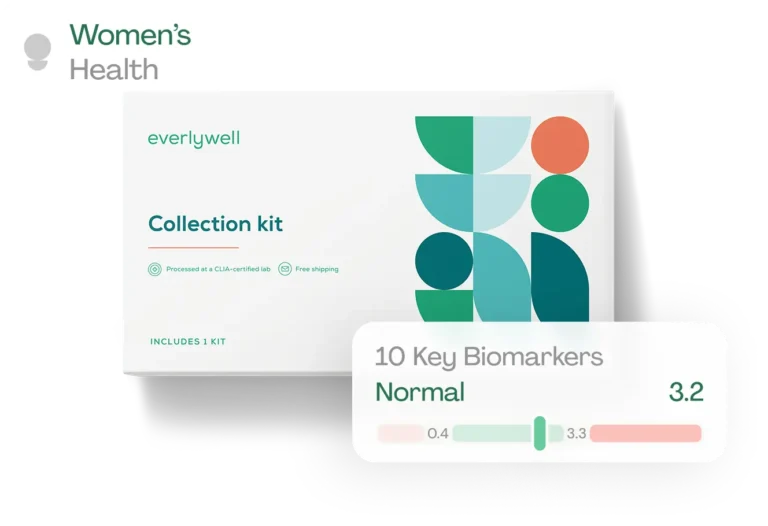
Everlywell Women’s Fertility Test

What it tests: FSH, LH, estrogen, progesterone, TSH

Best for: Understanding cycle-related hormone patterns

What to know: Requires a finger prick blood sample and results are reviewed by a physician. It’s slightly more general than AMH-focused tests, which can be helpful for a wider hormonal view.

Why it may be worth it: A solid option if you suspect something may be off hormonally but aren’t sure where.

Shop at Everly Well — $149

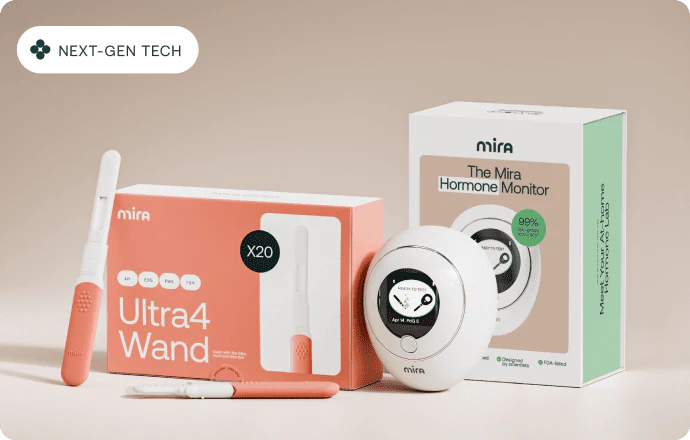
Mira Fertility Tracker

What it tests: LH (and other hormones depending on wands used)

Best for: Tracking ovulation in real time

What to know: This is less about a one-time test and more about ongoing tracking. It’s an investment, both financially and emotionally, since you’re engaging with your cycle daily.

Why it may be worth it: Helpful if you want precise ovulation tracking and data over time—not just a snapshot.

Shop at Mira — $249

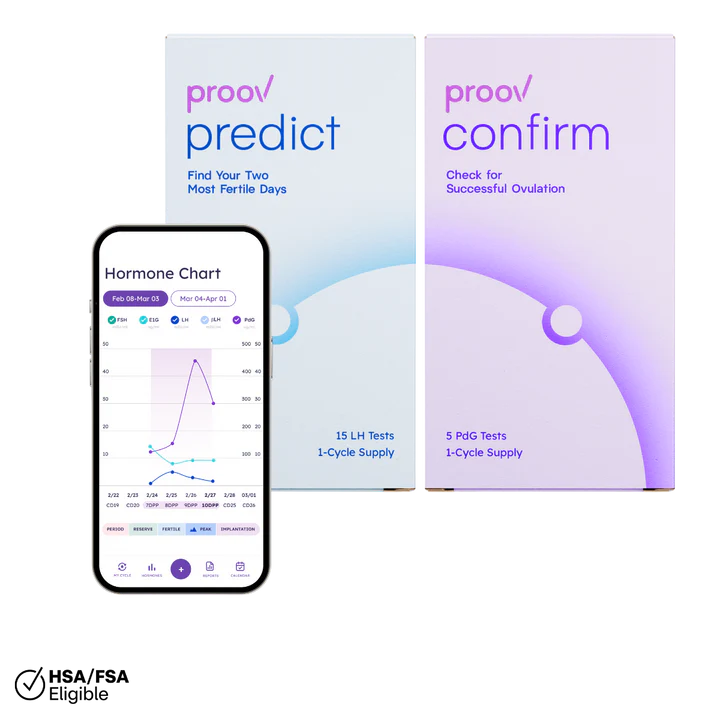
Proov Confirm Ovulation Test

What it tests: Progesterone (to confirm ovulation actually occurred)

Best for: Confirming—not predicting—ovulation

What to know: Most ovulation tests focus on LH, which tells you your body is trying to ovulate. This one comes in after the fact, measuring progesterone to confirm that ovulation actually happened. That distinction can matter more than people realize—especially if you’ve been timing everything “right” but still feel unsure whether your body is fully completing the process. It’s often used alongside ovulation strips, not instead of them.

Why it may be worth it: If you’ve ever found yourself wondering, “Am I actually ovulating, or just close?” this can offer a more concrete answer. It doesn’t solve everything, but it can remove one layer of uncertainty in a process that already has plenty.

Shop at Proov — $38

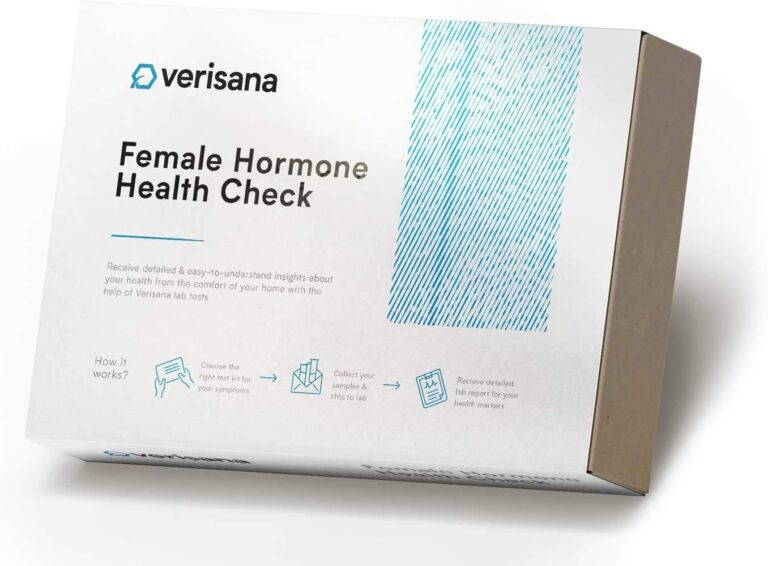
Verisana Female Hormone Test (5 Hormones)

What it tests: Progesterone, estradiol (estrogen), DHEA, cortisol, and testosterone

Best for: A broader hormone overview beyond just fertility—especially if you’re trying to understand how stress, cycle irregularities, and overall hormone balance may be affecting your body

What to know: This is a saliva-based, home-to-lab test, which means you collect your sample at home and send it in for analysis. It’s less focused on classic fertility markers like AMH or FSH and more centered on overall hormonal balance—including stress hormones like cortisol and adrenal-related markers like DHEA.

That can be helpful, especially if your cycle feels off or symptoms don’t fully align with what traditional fertility tests measure. But it also means this isn’t a test that will give you a clear “fertility status.” Instead, it offers a wider lens on how your hormones may be interacting.

Emotionally, this is one of those tests that can feel validating (“okay, something is off”)—but also a little murky if you’re looking for direct answers about getting pregnant.

Why it may be worth it: If you’re trying to understand your body more holistically—not just whether you’re ovulating or what your ovarian reserve looks like—this can be a helpful piece of the puzzle. It’s especially useful if you suspect hormonal imbalance, stress, or cycle irregularity may be playing a role, even if it doesn’t directly answer the bigger fertility questions.

Shop at Amazon — $142

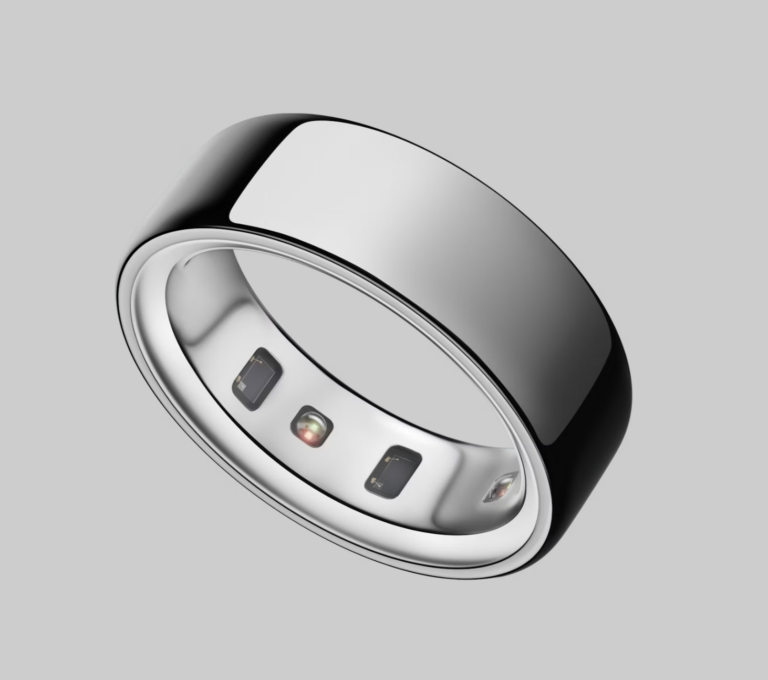
Oura Ring + Natural Cycles Integration

What it tests: Indirect tracking of ovulation through body temperature, heart rate, and sleep patterns

Best for: Understanding your cycle patterns over time—not just a single moment

What to know: This isn’t a traditional at-home fertility test, but it’s increasingly being used as one. The Oura Ring tracks subtle shifts in body temperature and physiological signals, which apps like Natural Cycles use to estimate ovulation. It’s less about one definitive result and more about patterns over weeks and months. That can be helpful—but it also requires consistency and patience, and the data can feel like a lot if you’re already mentally tracking everything.

Why it may be worth it: If you’re someone who wants a more holistic view of your body—and you’re okay with a slower, data-driven approach—this can offer insight that a one-time test can’t. It’s not immediate clarity, but it can build understanding over time.

Shop at Oura Ring — $349

Inito Fertility Monitor

What it tests: LH, estrogen, progesterone metabolites

Best for: More advanced, multi-hormone tracking at home

What to know: Inito connects to your phone and tracks multiple hormones throughout your cycle, giving a more layered picture of what’s happening—not just whether you’re about to ovulate, but whether ovulation was successfully supported hormonally. It’s more detailed than most at-home fertility tests, which can be empowering—but also overwhelming if you’re not sure how to interpret the data.

Why it may be worth it: If you’ve already been tracking your cycle and feel like you need more information, this can provide a deeper look. It’s especially helpful for those who want more than just a yes/no ovulation signal.

Shop at Inito — $129

Author

  • Jenn Sinrich is the co-founder of Mila & Jo Media, an award-winning journalist and mom to Mila and Leo. She's also on-track to become a bereavement and postpartum doula to help women, like her, who've experienced pregnancy loss. She's a Peloton-tread addict who loves to cook and spend time with her friends and family. A Boston-native, she has always loved the Big Apple, which she called her home for close to a decade.

    View all posts
Related
Comments

What do you think?

Leave a Reply

Your email address will not be published. Required fields are marked *

instagram: